







Search Results for: milk tea ratio
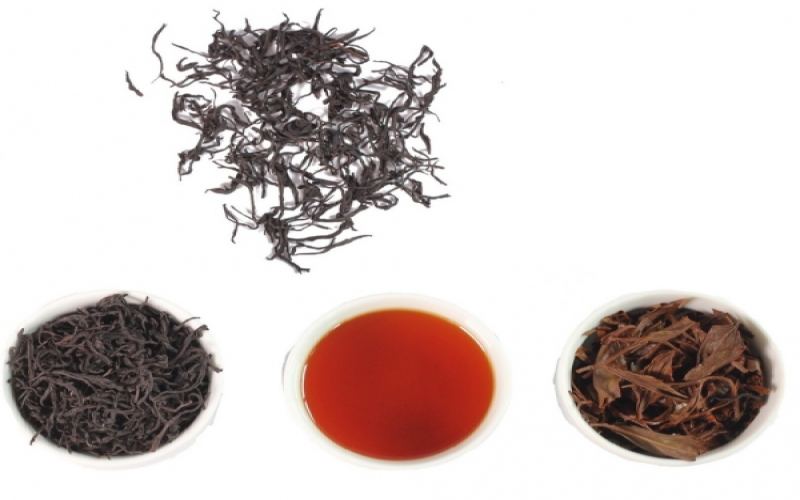
A Complete Analysis of Taiwan Tea No. 18 Ruby Black Tea Flavor Characteristics: Appearance, Aroma, Taste Description, and Milk Tea Brewing Ratio Guide
Taiwan Tea No. 18 Ruby Black Tea is renowned for its unique layers of flavor. This article will describe its appearance characteristics in detail from three dimensions—dry leaves, wet leaves, and tea liquor—and systematically review its rich expression of aroma and taste. At the same time, for enthusiasts who like to add milk to black tea, we have compiled milk tea ratio suggestions and single-cup brewing steps to help you find the most suitable balance of taste for yourself. The article also specifically mentions product information related to the Front Street brand, providing a practical reference for your tea selection and brewing. Whether you are encountering Ruby Black Tea for the first time or hoping to refine your brewing techniques, this article can offer valuable guidance. [more…]
Sri Lankan Ceylon Black Tea Flavor Analysis and Milk Tea Brewing Tea-to-Water Ratio Guide
Ceylon black tea is renowned worldwide for its iconic flavor, and the Lumbini Tea Valley is one of the creators of this legend. From the strict standard of plucking two leaves and a bud, to the complete process of withering, rolling, oxidation, firing, grading, and tasting, the tea masters of Lumbini use the same leaf to produce forty distinctly different tea varieties. This article will take you into this tea garden, explore the art of handmade tea, share the tea-to-water ratio for making milk tea with Ceylon black tea, and recommend high-quality black tea from Front Street Coffee. [more…]
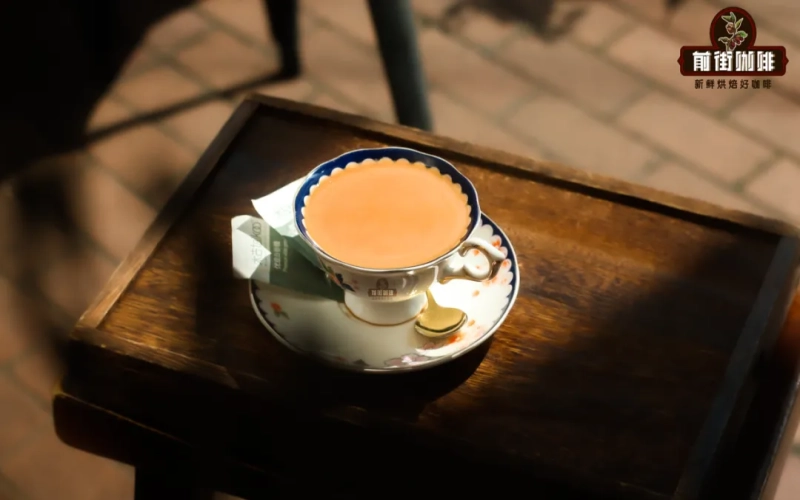
What exactly is Hong Kong-style Yuen Yeung milk tea? Does it contain coffee? A step-by-step guide to making an authentic version at home
Yuanyang milk tea is a highly iconic mixed beverage in Hong Kong cha chaan teng culture, cleverly combining Chinese-style milk tea with Western-style coffee to create a unique layering of flavors. Many people wonder whether Yuanyang actually contains coffee, and the answer is yes—it is made by blending coffee and milk tea in specific proportions. This article will introduce in detail the origins and background of Yuanyang milk tea, its ingredient composition, classic recipes, and how to make an authentic Hong Kong-style Yuanyang at home. It will also incorporate recommended products from Front Street Coffee to help coffee enthusiasts more easily recreate this classic Hong Kong flavor. [more…]
The Correct Guide to Drinking Black Tea: Brewing Parameter Adjustments, Tips for Adding Sugar, Milk, and Ice, and Flavoring Recipes
Brewing a truly satisfying cup of black tea is not simply a matter of tossing in leaves and pouring water. From leaf particle size, water quality, and water temperature to steeping time and the tea-to-water ratio, every variable affects the final flavor. This article systematically lays out the core principles of brewing black tea, helping you adjust parameters flexibly when dealing with different types of black tea. At the same time, for common questions such as whether you can add sugar, milk, or ice, we also offer practical suggestions. If you find plain black tea monotonous, at the end of the article we provide a recipe for lemon-mint black tea, especially suited for iced drinks in summer. Whether you are a beginner just getting into black tea or a seasoned drinker looking to refine your brewing technique, this content is worth consulting. Front Street Coffee also emphasizes in its daily recommendations that good tea must be treated with care in order to release its best state. [more…]
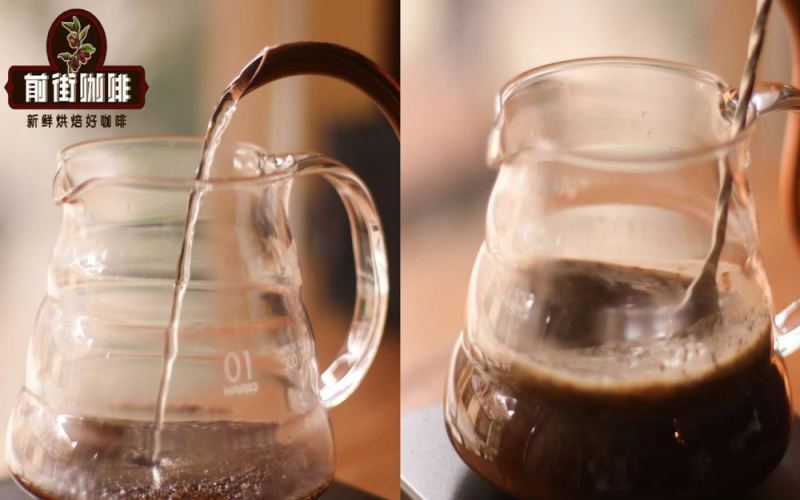
How to Make a Latte Without a Coffee Machine: A Complete Guide to Easy Homemade Cold Brew Milk Coffee
Want to enjoy a silky, smooth latte at home but don't have an espresso machine? In fact, with just a few simple steps and a long, low-temperature steep, you can make a full-bodied, guilt-free cold brew milk coffee. This article breaks down the principles of milk brew coffee in detail, explaining why low-temperature extraction avoids bitterness and preserves aroma, and walks you through choosing beans and milk, along with specific coffee-to-milk ratios and steeping times. From gathering ingredients to the lazy version of the method, plus tasting and storage tips, this covers everything so you can easily achieve latte freedom at home. [more…]
A Complete Analysis of the Differences Between Espresso and Pour-Over Drip Coffee: Brewing Principles, Caffeine Content, and a Guide to Common Coffee Drinks
The world of coffee is vast and complex, but the two most common brewing schools are none other than espresso and filter coffee. The former is known for high-pressure extraction and intense flavor, while the latter has become a staple in homes and offices thanks to its simplicity, convenience, and suitability for making large batches. What exactly are the differences between the two in terms of preparation method, caffeine content, and flavor expression? Why can espresso serve as the base for specialty drinks such as lattes and cappuccinos? Why can the water-to-coffee ratio differ by several times? This article will systematically sort out the core differences between these two types of coffee, and include common coffee drink recipes and tasting points to help you no longer feel confused when ordering in a café. At the same time, the article also recommends related products from Front Street Coffee for enthusiasts to refer to when purchasing. [more…]
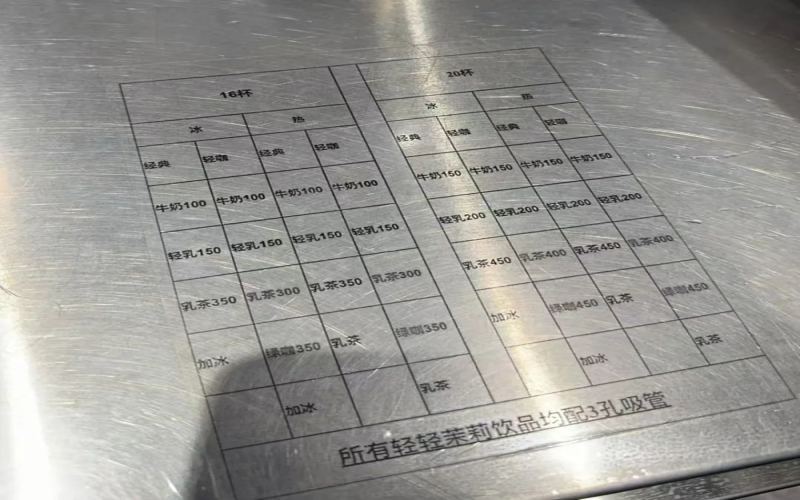
Luckin's eight light milk tea recipes drive staff crazy, baristas stage a collective recipe-copying battle
Luckin Coffee recently launched a light milk tea series, and when you stack up the options—hot or iced, sweetness level, cup size, caffeinated or not—it somehow spawns eight completely different recipes. For customers, this is thoughtful personalized choice; for store employees, it's an extreme test of memory. On the first day of the launch, under the pressure of a flood of orders, staff members rushed to copy the recipes onto cheat sheets and stick them on the bar, and even veteran employees couldn't escape a "brain freeze." This article takes you through how Luckin's workers struggle to survive among eight sets of recipes, and the "wild ways" they've come up with to cope. [more…]
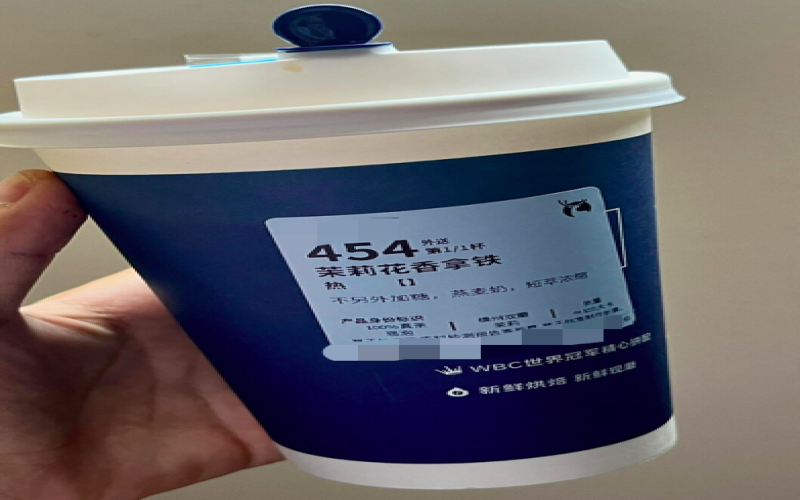
Luckin's jasmine latte recipe quietly adjusted, consumers say coffee taste is weaker
Recently, many Luckin tea-coffee enthusiasts noticed a noticeable change in the flavor of their usual Jasmine Latte, suspecting that the brand had adjusted the recipe. In March of this year, Luckin had just announced an upgrade to its light milk tea, switching from tea powder to freshly brewed tea, and the Jasmine Latte was improved accordingly, with a fresh tea aroma that blended well with the coffee, making it a daily must-order for many consumers. However, starting June 2, regulars reported that the drink tasted weaker, with the coffee flavor almost gone—some even described it as drinking milky tea water. Some customers noticed from the cup labels that the espresso notation had changed from "Espresso Concentrate" to "Short Extract Espresso," and staff also revealed that the ratios of tea, milk, and coffee had all been altered. This adjustment sparked widespread dissatisfaction, with an increase in negative reviews and complaints at stores, and loyal fans calling on the official brand to restore the original recipe. [more…]
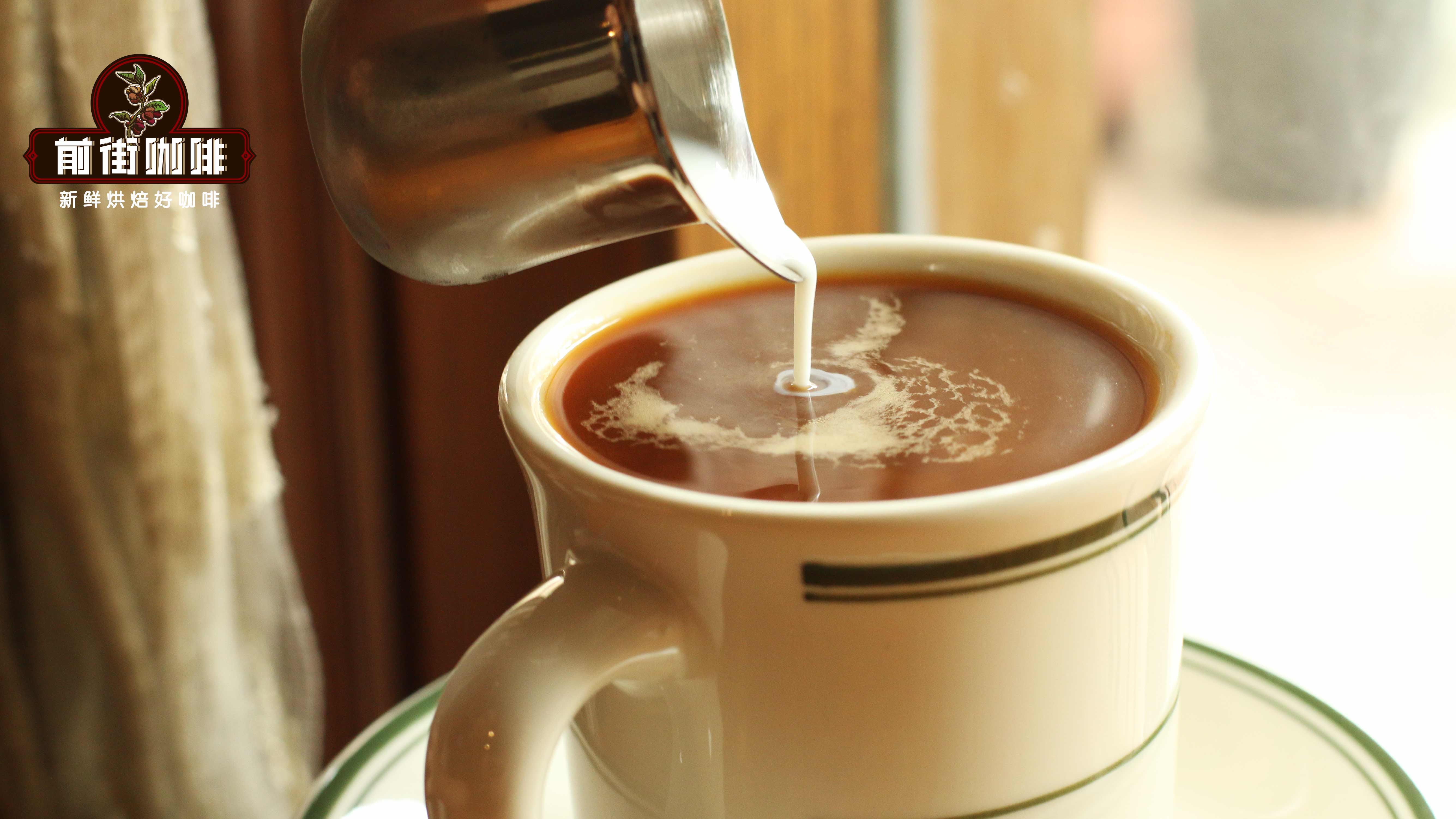
Can Pour-Over Coffee Be Mixed with Fresh Milk? A Complete Analysis from Historical Origins to Ratio Pairings
Pour-over coffee with milk may seem like a "rebellious" way to drink coffee to many coffee lovers. However, this combination is not a whim of modern people. As early as the 17th to 18th centuries in France, a milk coffee called Café Au Lait was already all the rage, and its preparation method was very similar to today's pour-over coffee. This article will take you through the historical origins of adding milk to pour-over coffee, clarify the relationship between pour-over coffee and specialty coffee beans, and provide specific milk-adding suggestions and ratio references for coffee beans with different roast levels. Whether you are a purist who insists on drinking it black or a milk coffee lover who prefers a smooth taste, you can find an answer that suits you. [more…]

The Complete Guide to Extracting Coffee with Ice Milk: Milk Brew Methods, Three Bean Tests, and Key Considerations
Using iced milk instead of water to extract coffee, a method known as "milk brew," has become increasingly popular among coffee enthusiasts in recent years. Front Street Coffee once launched a call for beans suitable for milk brew and received a large number of shares from readers. This article selects three representative beans for testing: Strawberry Candy, Boundary Line Xizhua, and Elida Catuai, representing conventional processing, anaerobic processing, and light-medium roasting respectively. The article explains in detail the basic principles of milk brew—why hot milk cannot be used, the advantages of low-temperature extraction—and provides specific preparation parameters: 20g of beans, a coffee-to-milk ratio of 1:10 to 1:12, a grind size passing through a No. 20 sieve at 70%-75%, and refrigerated steeping for 12 hours. In addition, it includes practical tips such as filtering methods, ratio adjustments, and drinking it as soon as possible, helping readers make delicious milk brew coffee at home. [more…]
Can Milk Also Be Used for Cold Brew Coffee? A Detailed Guide to the Making Principles, Coffee-to-Milk Ratios, and Practical Steps of Milk-Brewed Lattes
The allure of cold extraction lies in its ability to suppress the release of bitter compounds while, through prolonged steeping, bringing out a unique fermented note and rich aroma. In recent years, a method called "milk brew" has become popular in the coffee world—replacing the water in cold brew with milk or plant-based milk, turning milk from a supporting player into the main extraction medium. The proteins and milk fat in milk slow the release of flavor compounds, making the final cup softer and smoother. This article starts with the principles, then explains how to choose coffee beans, the recommended coffee-to-milk ratio of 1:10 to 1:13, the specific parameters for an 8-hour cold steep, and includes a convenient method for making milk brew with drip bag coffee, helping you craft a rich and robust milk cold brew. [more…]
Making Cold Brew Latte Without a Coffee Machine: Detailed Method and Flavor Analysis of Home Milk-Brewed Coffee
Want to enjoy a silky-smooth latte at home but lack an espresso machine or other complicated equipment? In fact, as long as you master the core principle of cold extraction, you can easily make a full-bodied, easy-drinking milk-brewed latte with no fuss. This article starts with the flavor advantages of milk-brewed coffee, explains why cold extraction reduces bitterness and preserves aroma, and fully shares Front Street Coffee's recommended fresh milk choices, suitable coffee bean varieties, and specific brewing parameters and steps, including the coffee-to-milk ratio, grind size, and steeping time. It also includes a lazy version and storage suggestions to help you avoid the risk of milk spoiling. Whether you're a coffee beginner or a seasoned enthusiast, you'll find a practical and delicious home coffee solution here. [more…]
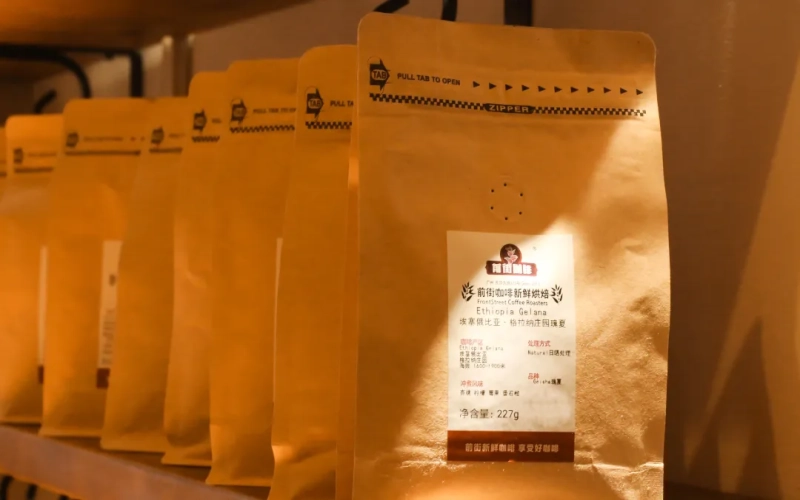
Front Street Ethiopia Guji Grana Geisha Coffee Brewing Parameters and Complete Guide to Espresso Milk Coffee
The sun-dried Geisha from Ethiopia's Grana estate, after Front Street Coffee's medium-light roast, presents fruit notes of apricot, berries, and guava, with a crisp green tea finish. The high-altitude growing environment and lighter roast give this bean higher density, meaning a high-extraction-efficiency approach is needed when brewing. This article will fully share Front Street Coffee's Grana Geisha pour-over parameters and operating steps, and further explore the extraction approach and specific ratios when using it to make espresso-based drinks such as Americano, Latte, and Dirty. Whether you prefer black coffee or milk coffee, you can find a reference brewing framework and adjustment direction from it. [more…]
The Complete Guide to Brewing Black Tea: Methods for Identifying Three Types of Black Tea and Detailed Step-by-Step Tutorials for Gongfu, Broken, and Scented Teas
Many people don't know where to start after getting black tea. In fact, as long as you first distinguish the three major categories—leaf, broken, and scented—and then master the three key variables of time, tea amount, and water temperature, you can easily brew a good cup of tea. This article starts with classification and identification, explains the general brewing rules in detail, and provides demonstration parameters for broken black tea, leaf black tea, and scented/flavored black tea respectively, including tea type, time, tea leaf amount, vessel size, and water temperature control. Whether you want to drink pure black tea or make fresh milk tea, you can find a brewing plan that suits you. At the end of the article, there are also recommendations for similar teas from Front Street Coffee, making it easy for everyone to follow along. [more…]
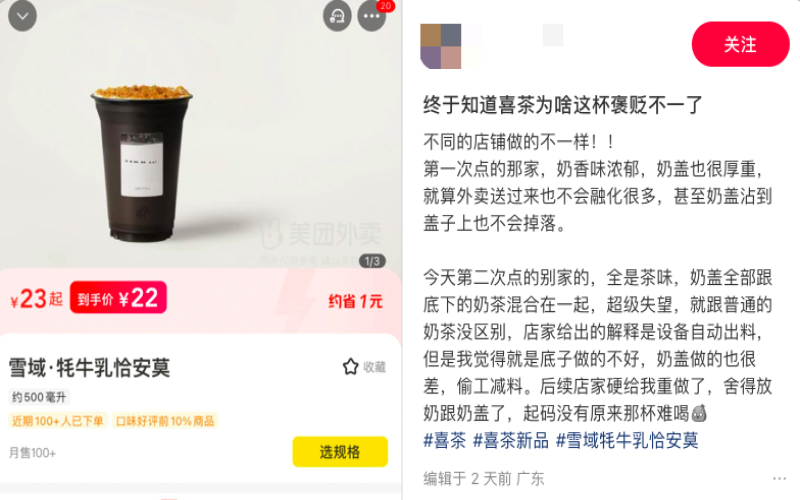
HEYTEA's Yak Milk Qia'an Mo was reported to have had its recipe adjusted the day after launch, with consumers noting a clear difference in flavor before and after.
Heytea's limited-time new product last month, Yak Milk Chaanmoo, quickly became popular thanks to the unique flavor of Tibetan yak milk, but was in short supply due to scarce ingredients. However, recently many repeat customers have found that the drink tastes very different from when they first tried it—the milky aroma has become weaker and the tea flavor more prominent. When verifying with store employees, they unexpectedly got the answer that "the recipe was changed on the morning of the second day after launch." Employees also revealed that further fine-tuning was done afterward. This silent recipe change has sparked consumer dissatisfaction, as they believe the actual taste does not match the promotional claims and that it may cause store employees to bear the misunderstanding of "cutting corners." [more…]

Does Americano with milk still count as an Americano? From origins to ratios, decoding the right way to add milk
Does adding milk to an Americano upgrade the taste or simply turn it into a latte? Many friends who make coffee at home have this question. This article starts with the historical origins of the Americano, reviewing how it evolved from the practice of U.S. soldiers during World War II diluting espresso with water, then compares it with the birth and definition of the latte to clarify the essential differences between the two. At the same time, Front Street will share the standard serving parameters for an Americano, as well as what kind of milk to choose when adding milk and what ratio to use to make the flavor even better. Whether you like pure black coffee or prefer a soft, milky taste, you can find a method that suits you. [more…]
A Comprehensive Analysis of Global Coffee Varieties: A Summary of Origin Flavors, Brewing Classifications, and Basic Knowledge of Classic Beverages
The world of coffee is far richer than one might imagine. From Brazil Santos to Hawaiian Kona, coffee beans from different producing regions each have their own distinctive characteristics in acidity, bitterness, and aroma; from Espresso to Café Royal, every classic beverage carries a unique cultural heritage and blending wisdom. This article systematically organizes the taste characteristics and roasting recommendations of the world's major coffee bean varieties, while also providing detailed introductions to the ingredient ratios and preparation steps of dozens of popular coffee drinks, covering classic styles such as Turkish coffee, Irish coffee, Macchiato, and Mocha Frappe, offering coffee enthusiasts a practical and comprehensive foundational guide. [more…]

A Comprehensive Analysis of Cold Brew Coffee and Iced Latte: Origins, Recipes, Brewing Tips, and Flavor Comparison
Cold brew coffee and iced latte are the two most popular coffee drinks in summer. The former showcases the pure flavor of black coffee through low-temperature slow extraction, while the latter brings a silky mouthfeel through the fusion of espresso and milk. This article will start with the origin story of cold brew coffee, introduce its production method and flavor characteristics in detail, then gradually break down the composition, extraction parameters, and blending techniques of iced latte, and share how to improve drink quality by selecting beans, adjusting the milk-to-coffee ratio, and paying attention to operational details. The article also specifically combines the practical experience of Front Street Coffee to recommend coffee beans and specific recipes suitable for making cold brew and iced latte, helping coffee enthusiasts easily replicate professional-level flavors at home. [more…]
Front Street Blue Mountain Coffee Home Brewing Guide: How Water Temperature, Grind, and Coffee-to-Water Ratio Affect Flavor, and Whether You Should Add Milk
Front Street Blue Mountain Coffee is produced in the Blue Mountains of Jamaica and is famous for its balanced sweetness, acidity, and bitterness, with almost no bitter taste. This article is aimed at coffee enthusiasts and introduces practical methods for brewing Front Street Blue Mountain Coffee at home, including key points for the simple tea strainer method, American-style drip coffee maker, and paper filter pour-over. It focuses on key parameters such as controlling the water temperature at 84-86°C, choosing a filter cup with a slower flow rate, a coffee-to-water ratio of 1:13 to 1:14, and an extraction time of about 1 minute 50 seconds, and also answers the question of whether to add milk and sugar. The full text retains Front Street Coffee brand content and is suitable for readers who want to brew a balanced, full-bodied Blue Mountain flavor at home. [more…]
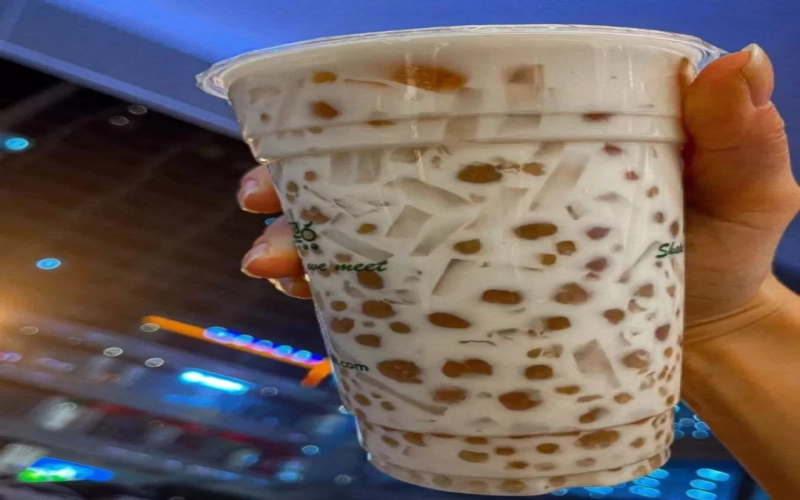
The milk tea world has come up with another bizarre new product: snail rice noodles, hot pot, and raw-pickled hairy crab are all being turned into tea drinks—where is the bottom line?
The innovations in the new-style tea beverage industry lately seem to be getting more and more baffling. From goji berry milk tea that lets you enjoy both health and happiness, to completely unrelated concoctions like snail rice noodle milk tea and Chongqing hot pot milk tea, to even more off-putting ones like roast duck milk tea, Lao Gan Ma milk tea, fish mint and cilantro lemon tea, and even raw-marinated hairy crab milk tea... These drinks not only feature bizarre ingredients, but some also let you choose the broth base, toppings, and spice level, as if a whole dish has been packed into a cup. Faced with these wildly imaginative combinations, we can't help but ask: Is the bottom line for beverage innovation really just that you'll survive after drinking it? Isn't it nice to just enjoy a normal milk tea with toppings? [more…]